

Gambling's impact on modern storytelling in pop culture
The Evolution of Gambling Narratives
Gambling has been a captivating element in storytelling for centuries, shaping plots and character arcs across various media. From classic literature to contemporary films, gambling often serves as a metaphor for risk, chance, and the human condition. This evolution reflects society’s changing attitudes toward gambling, highlighting its duality as both a source of entertainment and a potential vice. As mobile experiences evolve, users can explore more options with the https://www.google.pl/url?q=https://pinupcasino-bangladesh.com/mobile-app/ to enhance their engagement.
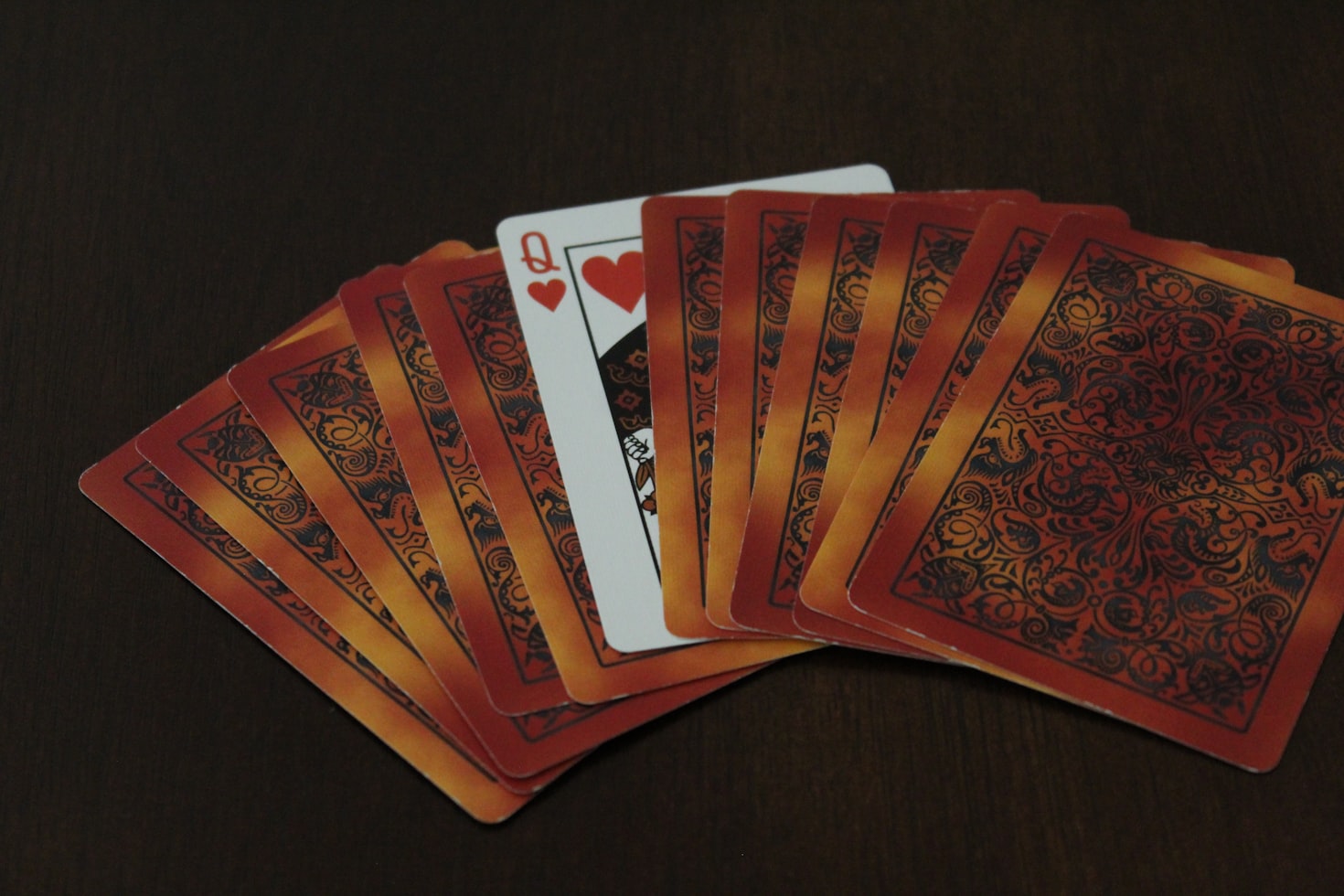
In modern storytelling, narratives surrounding gambling delve deeper into psychological themes, exploring the motivations behind characters’ decisions. Writers leverage gambling not just as a backdrop but as a central element that drives conflict and development. As audiences engage with these complex narratives, they become more aware of the multifaceted nature of gambling, enhancing their overall viewing or reading experience.
Gambling in Film and Television
In film and television, the portrayal of gambling often showcases high-stakes scenarios that captivate audiences. Iconic films like “Casino” and “Rounders” illustrate the glamorous yet dangerous world of gambling, weaving intricate plots that reveal characters’ ambitions and moral dilemmas. These narratives not only entertain but also provide commentary on the allure and pitfalls of gambling culture.
Television series like “Breaking Bad” and “Ozark” further integrate gambling into their storylines, using it as a tool for character development and tension-building. As characters engage in risky bets, their choices reflect broader themes of desperation and moral ambiguity, resonating with viewers who find themselves drawn to these intense psychological explorations.
The Influence of Video Games
The rise of video games has introduced a new layer to the gambling narrative, allowing players to immerse themselves in virtual worlds that replicate real-life gambling experiences. Games like “Red Dead Redemption” and various casino-themed titles offer interactive experiences where players can engage in poker or blackjack, blurring the lines between reality and fiction.
This interactivity fosters a unique storytelling approach, where players become active participants in the narrative. The choices they make in these gambling scenarios can affect the outcome of the story, creating a sense of agency and investment in the characters and their fates. This dynamic reshapes the way audiences perceive gambling, emphasizing its role in shaping personal narratives within gaming culture.
The Role of Gambling in Literature
Literary works have long used gambling as a symbol for fate and chance, creating compelling narratives that explore human nature. Authors such as Fyodor Dostoevsky in “The Gambler” delve into the psychological implications of addiction, while contemporary writers use gambling as a backdrop for broader societal critiques. These narratives often reflect the cultural and ethical dilemmas surrounding gambling, providing profound insights into the human psyche.
In addition, gambling-related themes in literature often serve as a catalyst for character transformation and moral questioning. Readers engage with protagonists whose lives are intertwined with chance, prompting reflections on their own choices and the consequences of risk-taking. This intersection of gambling and literature invites deeper discussions on morality, fate, and personal agency.

Exploring the Digital Frontier
As storytelling continues to evolve in the digital age, platforms dedicated to gambling, like the Pin Up app, are emerging as key players in shaping modern narratives. These platforms offer immersive experiences that merge gaming and storytelling, attracting diverse audiences with varied interests. Users are drawn to not only the thrill of betting but also the engaging narratives crafted within these digital environments.
This exemplifies this shift, as it creates an interactive space where stories unfold through user engagement. By integrating advanced storytelling techniques, these platforms enhance user experience, making gambling a part of a larger narrative journey. This innovation signifies a new frontier in pop culture, where gambling intersects with technology to redefine entertainment and storytelling.