

As client expectations continue to evolve, the ability to provide ongoing accountability between sessions has transformed from a luxury to a necessity. Trainers who embrace these powerful tools position themselves at the forefront of the industry, delivering superior results while building more sustainable businesses. The most sophisticated accountability platforms are incorporating principles from behavioral psychology to improve client adherence. Features like variable reward schedules, commitment contracts, and social proof are being systematically implemented to boost motivation and consistency.
Category 7: for Habit Tracking
Some exercises are instructor-led outdoor adventures, and others are indoor studio-style sessions. Down Dog offers a deep arsenal of instructional videos with excellent and enthusiastic fitness coaches. But more than that, Down Dog captured the hearts of its users because of its ability to tailor your yoga practice according to your needs. The equipment demands may also present themselves as a challenge to beginners, considering a lot of the exercise options require machines and other fitness tools. Well, there’s probably no better place to start with that journey than by using the app co-founded by the God of Thunder himself. Nike Training Club and FitOn provide high-quality workouts without needing a subscription.
Monitor Your Progress Regularly
They provide emotional support and encourage you to stick to your goals. Sticking to a fitness plan can feel isolating at times, but having someone in your corner makes all the difference. Mutual support provides encouragement when motivation dips and helps you celebrate even the smallest wins. This back-and-forth dynamic can transform a daunting fitness journey into something much more manageable. Think of it as having a built-in cheerleader who also keeps you honest.
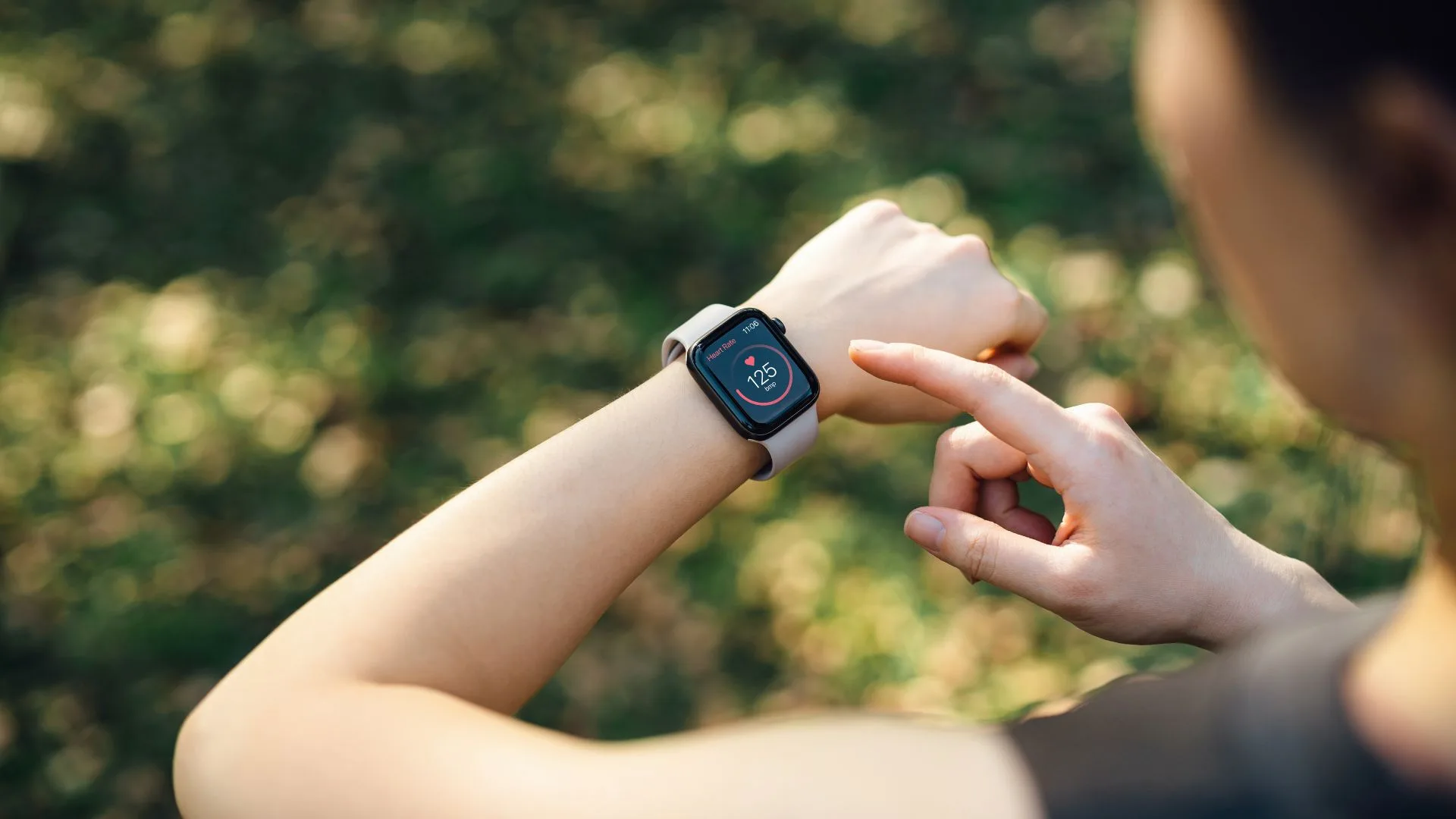
Research shows that accountability mechanisms significantly improve exercise consistency. The STEP UP randomized clinical trial (2019) found that gamification with social incentives increased daily steps by up to 920 steps per day compared to controls. Apps with strong accountability features — whether social, gamified, or financial — help bridge the gap between intention and action.
Why Use a Fitness App for Accountability?
The worst accountability system is the one that doesn’t match your motivation style. Not all accountability works the same way, and not all of it works for everyone. Understanding the different approaches helps you choose the app that matches how you’re wired. Every completed goal earns progress toward yourMotmot and badges. Everyone’s goal is scaled to their own fitness level, soeffort – not raw numbers – decides the winner.
Match the strategy to the client
Understanding these psychological aspects of accountability can transform the approach to achieving fitness and nutrition goals. It’s about harnessing the power of the mind to complement the physical efforts, creating a holistic path to health and wellness. Accountability workshop exercises are structured activities designed to strengthen commitment, build healthy habits, and reinforce long-term motivation. These sessions are ideal for both group settings and one-on-one coaching and can be tailored to different fitness levels and goals.
Q: What are some strategies for staying on track with my fitness goals?
- However, it lacks the comprehensive business features that would make it a complete solution.
- Toggl didn’t fix that by itself, but the awareness made it impossible to ignore.
- What keeps people going is accountability that matches personality.
- ❌ Limited personalization, workouts are one-size-fits-all without adaptive training plans or detailed progress tracking.
- With a hybrid way of working that combines working from home and office days, a merging of two worlds is clear throughout society.
- Progress photos provide visual proof during frustrating plateaus.
For some, the real driver is knowing someone else is on the best free workout apps same path, whether it’s a workout partner, a peer from your program, or even a stranger pursuing a similar goal. This kind of visibility makes your job easier, and it helps clients stay on track without needing constant reminders. Being an accountability partner means you help clients notice when they’re slipping, reflect on what’s working, and feel supported without needing to ask. Sometimes, the most significant shift happens when clients know someone’s paying attention.
What to do when clients fall off track
When motivation is high, members are more likely to achieve their fitness goals. The more members see results, the better your member retention. Regular tracking also provides a visual representation of progress. Seeing improvements in strength, endurance, or body composition over time fosters a sense of achievement and motivates continued effort.
Best Grip Strengtheners for Older Adults with Weakening Hands in 2026
If someone reports low energy for three weeks straight, that’s a sign to adjust programming or dig into sleep and nutrition. This matters because behavior change doesn’t happen in one-hour increments. It happens in the 167 hours each week between your sessions. Regular client communication ensures you’re influencing those hours, not just the ones you’re physically together.
LifeHack
View habits by time of day, track completion rates, see trends over time. Complete tasks to earn gold and level up your character. Join a party with friends, and your failures hurt the whole group (which adds an interesting social accountability layer).
Top Group Accountability App: Friends vs. Teams vs. Couples
The most effective accountability type depends on your personality. Social accountability (workout partners, group challenges) works well for extroverts. Gamification (streaks, rewards, progression systems) works for people motivated by achievement and completion.